Acceptance and Commitment Therapy
Presented by Steven C. Hayes, PhD on 07-17-2009 at 9 a.m. Pacific to 10:30 a.m. Pacific (1:30 p.m. Eastern)

Acceptance and commitment therapy (ACT) is based on the idea that psychological suffering is usually caused by experiential avoidance, cognitive entanglement, and the resulting failure to take needed behavioral steps in accord with core values. Buttressed by an extensive basic research program on a associated theory of language and cognition—Relational Frame Theory (RFT)—ACT takes the view that trying to change difficult thoughts and feelings as a means of coping might can be relatively unhelpful, but new, powerful alternatives are available, including acceptance, mindfulness, cognitive defusion, values, and committed action.
Research seems to be showing that these methods are beneficial for a broad range of clients. ACT teaches clients and therapists alike how to alter the way difficult private experiences function mentally rather than having to eliminate them from occurring at all. This empowering message has been shown to help clients cope with a wide variety of clinical problems, including depression, anxiety, stress, pain, substance abuse, and even psychotic symptoms.
Continuing Education (CE) Information
1.5 CE credits will be provided by GoodTherapy.org for attending this web conference in its entirety.
GoodTherapy.org is also an Approved Education Provider by NAADAC, The Association for Addiction Professionals (provider #135463). Of the eight counselor skill groups ascribed to by NAADAC, this course is classified within counseling services.
GoodTherapy.org is an NBCC-Approved Continuing Education Provider (ACEPTM) and may offer NBCC-approved clock hours for events that meet NBCC requirements.
GoodTherapy.org, SW CPE is recognized by the New York State Education Department's State Board for Social Work as an approved provider of continuing education for licensed social workers #0395.
To receive CE credit hours for an archived event, you will need to complete a survey as well as a 12 or 15-question exam, verifying that you listened to or watched the event in its entirety. Archived CE events generally are considered "homestudy" by licensing boards.
Registration Information
Premium and Pro Membership with GoodTherapy includes access to this course at no additional cost, as well as other member benefits such as a profile listing in GoodTherapy's Therapist Directory. Not yet a member? Sign up for a Premium or Pro Membership, here.
Just want CE credits? Sign up for a monthly or annual CE Subscription with GoodTherapy to get unlimited access to our CE Program, including this event, other live CE web conferences, and hundreds of hours of homestudy courses.
Mental health professionals who are not members can access the homestudy recording for $15.50. Sign up here to purchase this CE course and earn a CE certificate.
If the event is canceled by GoodTherapy, registrants who purchased the event will be notified and the charge for the event will be refunded
If you have any questions or would like information regarding disability accommodations, please contact us.
Meet the Presenter
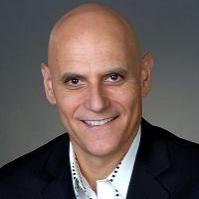
Steven C. Hayes, PhD
Steven C. Hayes, PhD, is Nevada Foundation Professor at the Department of Psychology at the University of Nevada. An author of 32 books and over 400 scientific articles, he has shown in his research how language and thought leads to human suffering and has developed "Acceptance and Commitment Therapy," a powerful therapy method that is useful in a wide variety of areas. His popular book, Get Out of Your Mind and Into Your Life, was featured in Time Magazine among several other major media outlets and for a time was the best-selling self-help book in the United States. Dr. Hayes has been President of several scientific societies and has received several national awards, such as the Lifetime Achievement Award from the Association for Behavioral and Cognitive Therapy. More information about Steven Hayes and ACT can be found here.
Continuing Education Provider Approvals
 GoodTherapy.org has been approved by NBCC as an Approved Continuing Education Provider, ACEP No. 6380. Programs that do not qualify for NBCC credit are clearly identified. GoodTherapy.org is solely responsible for all aspects of the programs.
 This course has been approved by GoodTherapy.org, as a NAADAC Approved Education Provider, for educational credits. NAADAC Provider #135463. GoodTherapy.org is responsible for all aspects of their programming.
- GoodTherapy.org, LLC is recognized by the New York State Education Department's State Board for Social Work as an approved provider of continuing education for licensed social workers #SW-0395.
- GoodTherapy.org, LLC is recognized by the New York State Education Department's State Board for Mental Health Practitioners as an approved provider of continuing education for licensed marriage and family therapists #MFT-0022 and for licensed mental health counselors #MHC-0031.
Earn CE Credit Hours
Live and homestudy continuing education courses are included withPremium and Pro Membership!
Sign Up Here